

tempered glass used for
Understanding Large Vee Blocks Precision Tools for Machining In the world of machining and manufacturing, precision is paramount. Every component must be crafted with exacting standards to ensure optimal performance and durability. One of the key tools that machinists and engineers rely on for achieving such precision is the large vee block. This seemingly simple tool plays an integral role in various machining processes, including milling, grinding, and inspection. What is a Vee Block? A vee block, often made of hardened steel or cast iron, is a type of workholding device that features a V-shaped groove. This design allows for the secure holding of cylindrical or round workpieces, ensuring they remain stable during machining procedures. Large vee blocks, specifically, are designed to accommodate bigger and heavier components, making them indispensable in the fabrication of larger machinery parts or industrial equipment. Benefits of Using Large Vee Blocks The advantages of using large vee blocks in machining are numerous. Here are some key benefits 1. Enhanced Stability The V-shaped groove grips the workpiece on two opposing sides, providing a stable and secure hold. This minimizes the risk of movement during machining, which is crucial for maintaining accuracy. 2. Versatility Large vee blocks can be used with various types of machines, including lathes, milling machines, and grinders. Their versatility makes them suitable for different materials, including metals, plastics, and composites. 3. Facilitates Precision Measurements In quality control and inspection processes, large vee blocks are used to create a reference surface. This allows machinists to measure the dimensions of workpieces accurately, ensuring they meet required specifications. 4. Ease of Use The design of large vee blocks allows for quick setup and adjustment. Machinists can easily position the workpiece for optimal machining angles, which contributes to overall efficiency in production workflows. 5. Durability Typically manufactured from high-quality materials, large vee blocks are built to withstand heavy usage and resist wear and tear over time. This durability provides long-term value for manufacturing operations. Applications of Large Vee Blocks Large vee blocks find application in various industries, including large vee blocks - Automotive Manufacturing In this sector, large components such as engine blocks and chassis parts require precise machining. Large vee blocks help hold these parts securely while ensuring accurate machining processes. - Aerospace Engineering The aerospace industry demands high levels of precision and quality. Large vee blocks are used during the manufacture of critical components, such as airframes and landing gear, where accuracy is non-negotiable. - Construction Equipment Parts for heavy machinery, such as excavators and bulldozers, are often machined using large vee blocks. The ability to hold large, heavy parts securely is essential for ensuring they are crafted accurately. - Fabrication Shops General fabrication and machining shops utilize large vee blocks for a wide range of projects, from custom builds to repair and maintenance work. Choosing the Right Large Vee Block When selecting a large vee block, there are several factors to consider 1. Size and Capacity Ensure the vee block can accommodate the size and weight of the workpieces you plan to use. Larger blocks allow for versatility, but it is essential to choose one that fits your specific needs. 2. Material Composition Look for large vee blocks made from high-quality materials that will withstand wear and provide stability. 3. Surface Finish A smooth surface finish on the vee block is crucial for minimizing friction and preventing damage to the workpiece. 4. Alignment Features Some large vee blocks come with additional alignment features, such as holes or slots for clamps, which can enhance their usability in specific machining scenarios. Conclusion Large vee blocks are vital tools in the machining and manufacturing world, providing the stability and precision necessary for high-quality work. Their extensive applications in various industries highlight their importance, from automotive to aerospace. By understanding their benefits and proper usage, manufacturers can leverage large vee blocks to improve efficiency, accuracy, and overall production quality. In a landscape where precision is key, these tools remain indispensable for achieving excellence in craftsmanship.
about
tempered glass used for
Understanding Pin Gauge Sizes A Comprehensive Guide Pin gauges, also known as pin gauges or pin gages, are precision measuring tools used in various industries to measure the diameter of holes and slots, ensuring that they meet specified tolerances. These tools are simple in design yet crucial for quality control, engineering, and manufacturing processes. Understanding pin gauge sizes is essential for selecting the right tool for your measurement needs . Pin gauges come in a range of sizes, each designated for specific applications. They are typically manufactured according to international standards, which allows for uniformity and interchangeability. The sizes of pin gauges are often specified in either imperial or metric measurements, with a wide variety of diameters available. For instance, a standard set may include sizes ranging from 0.5 mm to 25 mm in metric and from 0.01 inches to 1 inch in imperial measurements. The accuracy of pin gauges is critical; they are designed to a high level of precision, often within a tolerance of ±0.01 mm or ±0.0005 inches. This precision is vital in industries such as aerospace, automotive, and manufacturing, where even the slightest deviation can lead to catastrophic failures or malfunctioning of parts. For this reason, pin gauges are often made from durable materials like stainless steel, ensuring that they can withstand wear and maintain their accuracy over time. pin gauge sizes In practical applications, pin gauges are used to perform go/no-go tests. The go gauge should fit into the hole or slot easily, while the no-go gauge should not. This simple testing method helps in quickly assessing whether a feature of a part conforms to its specifications. By employing a range of pin gauges, engineers can determine if the diameter falls within the desired tolerance range. Moreover, the use of pin gauges extends beyond mere measurement. They are also utilized to calibrate other measuring instruments and to check the functionality of tooling equipment. The gauges are often organized in sets, which can be either individual pins or as part of a more comprehensive measurement kit. Sets may include various sizes, allowing users to test multiple specifications simultaneously. In conclusion, understanding and utilizing pin gauge sizes is an integral part of ensuring precision in measurements across various engineering and manufacturing applications. By familiarizing oneself with the available sizes and their specific applications, professionals can enhance their quality control processes, ultimately leading to better product outcomes and increased efficiency in operations. Whether you are an engineer, machinist, or quality control technician, having the right set of pin gauges will significantly impact your work's accuracy and reliability.
-

High quality industrial productsagement

High quality industrial products
View Details -

Meet the diverse needs of customers

Meet the diverse needs of customers
View Details -

Strict quality control

Strict quality control
View Details -

Top raw materials

Top raw materials
View Details -

Trusted supplier

Trusted supplier
View Details
Our application


news and information
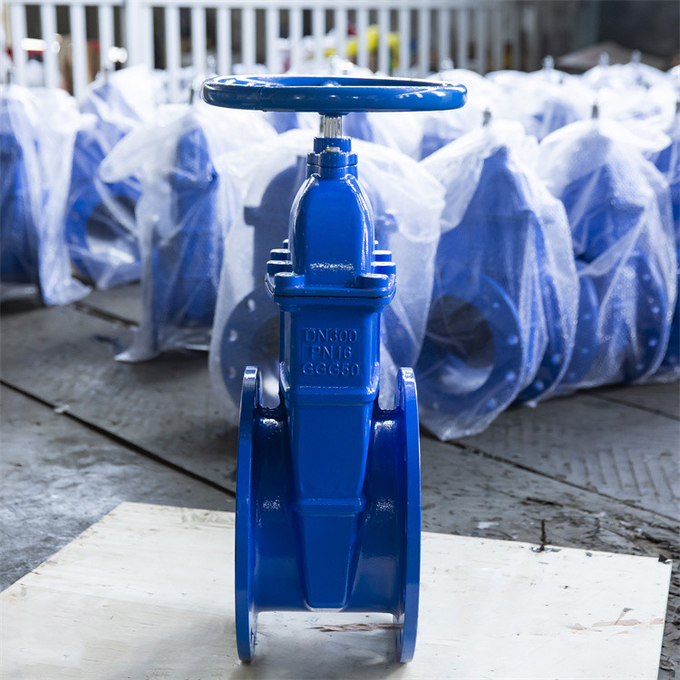
Water valve fails to close properly and leaks persist
Troubleshooting a Water Valve That Won't Shut Off Encountering a water valve that refuses to shut of

Versatile Six-Sided Aluminum Alloy Angle Measuring Tool for Precision Measurement and Layout Tasks
Understanding the Six-Sided Aluminum Alloy Angle Measuring Tool In the realm of precision engineerin
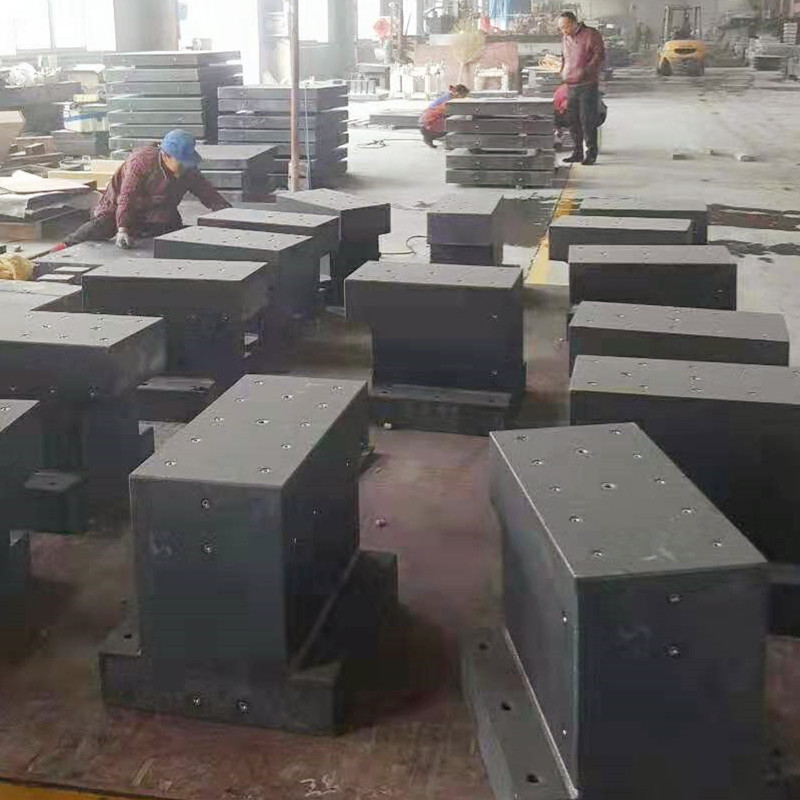
Versatile Welding Table Clamps for Secure and Efficient Metalworking Projects and Fabrication Tasks
The Importance of Welding Table Clamps in Metalworking Welding is a fundamental process in metalwork
 English